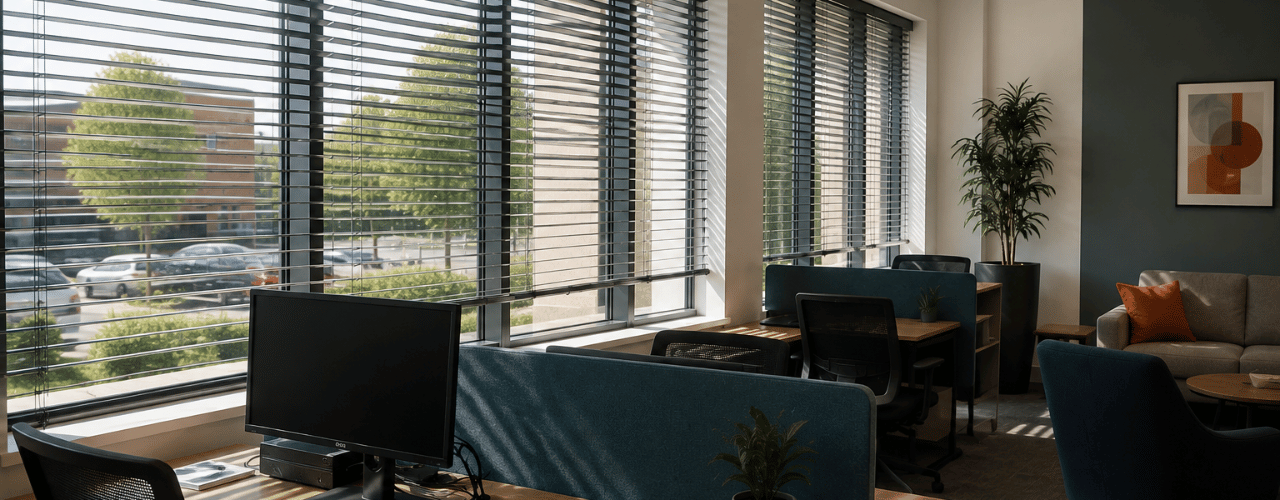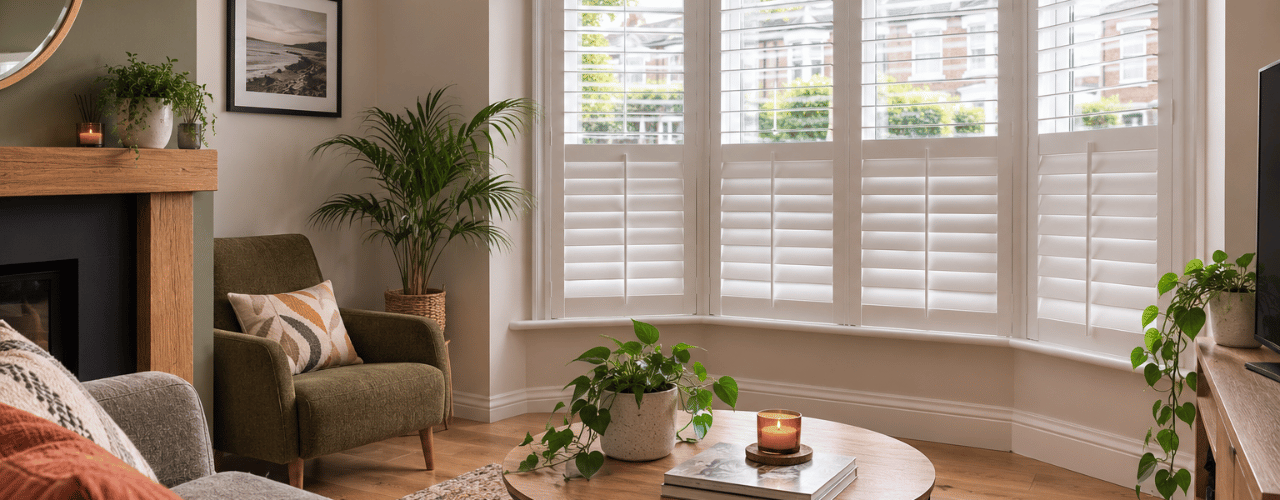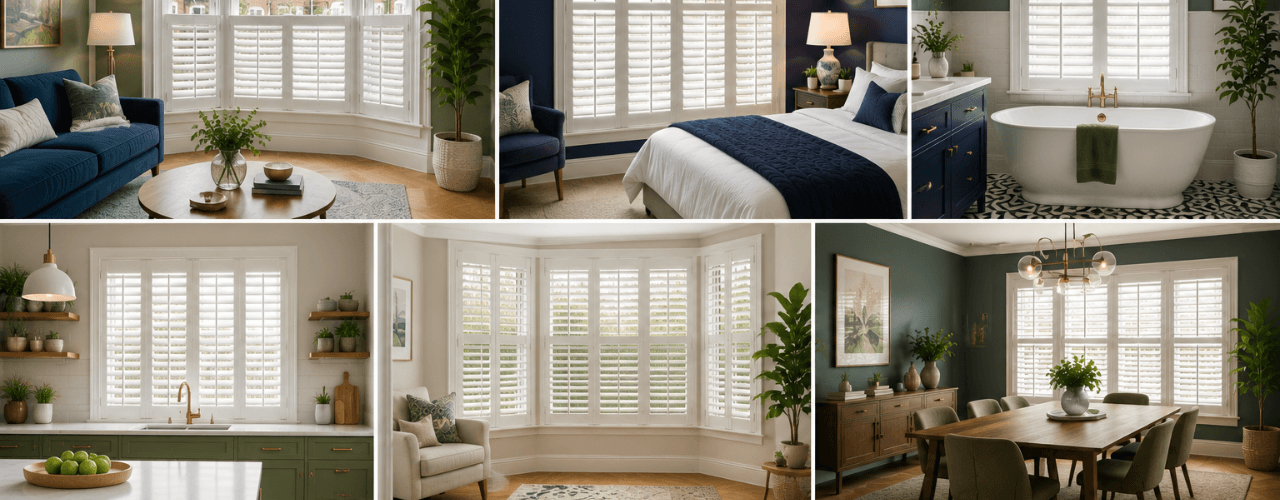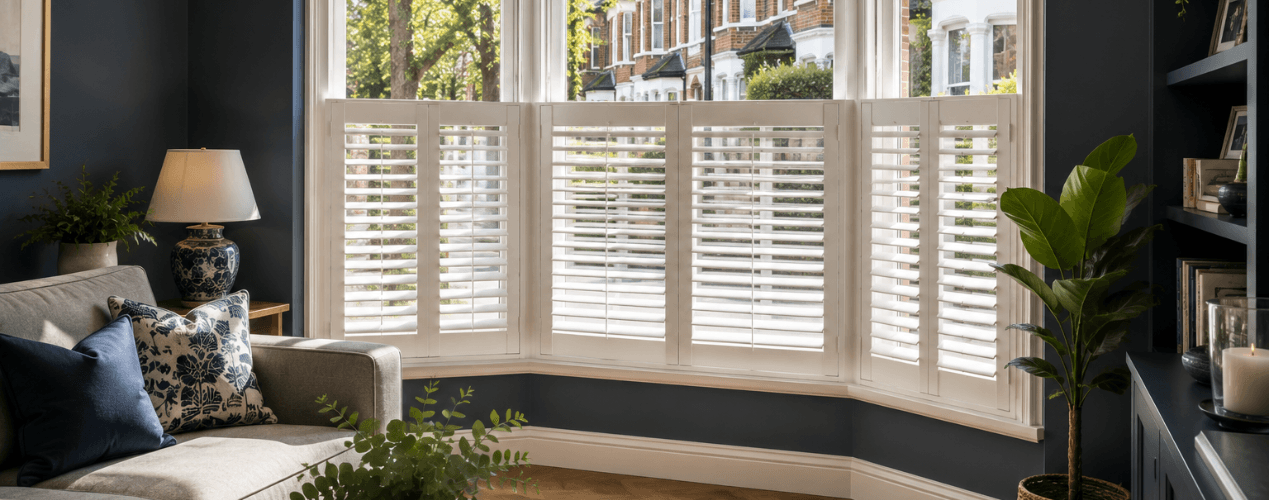
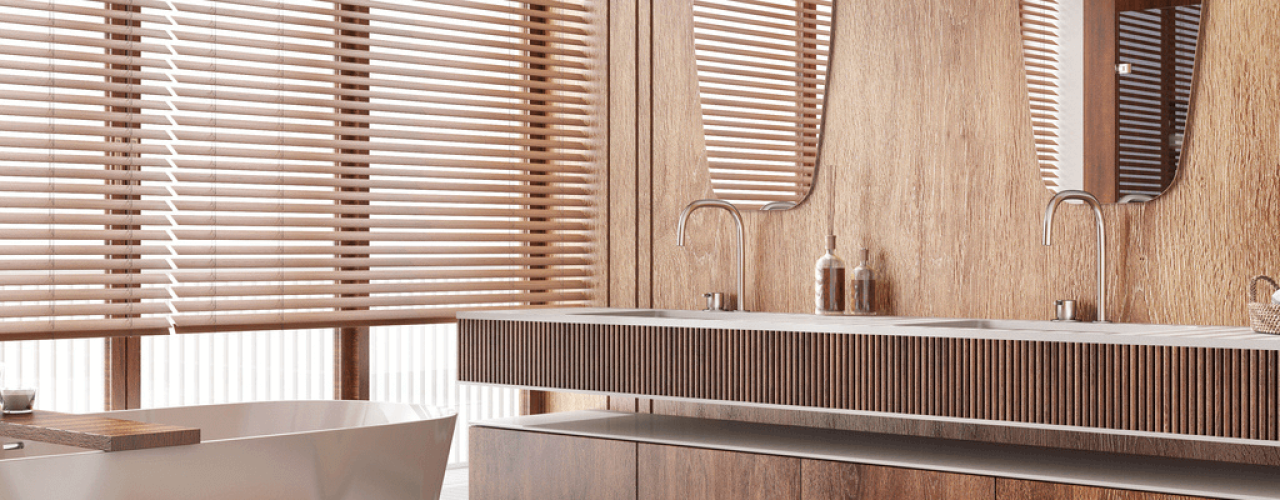
You love the warm, classic look of wood, but you dread the thought of warping, cracking, or scrubbing mould from the slats in your high-moisture rooms.
When advising clients on window covering projects, the material decision for high-moisture areas, particularly kitchens, bathrooms, utility rooms, and conservatories, comes down to one absolute technical requirement. As industry veterans, we know that natural wood will eventually fail under these conditions. Installing Faux Wood Venetian Blinds eliminates this risk.
The classic aesthetic of a Venetian blind must work against the reality of consistent moisture and extreme temperature cycling. Only one material reliably handles this challenge: Faux Wood Venetian Blinds. They deliver the desired premium styling without the structural liability inherent in timber products.
We don’t just sell blinds; we specify the correct material to eliminate risk and ensure decades of reliable performance.
Technical Failure Analysis: The Material Science of Water Resistance
The core difference between Faux Wood Venetian Blinds and Wooden Venetian Blinds is their molecular reaction to moisture which dictates the blind’s entire service life. Ignoring this fundamental difference guarantees premature failure and aesthetic compromise.
Why Do Real Wood Blinds Warp, Crack, and Fail in a Humid Environment?
The fundamental flaw is simple: natural wood is porous. It acts like a sponge, constantly drawing moisture from the surrounding atmosphere. Subject it to the repeated moisture cycling of a shower or steam-filled kitchen, and those internal fibres swell. This leads directly to structural fatigue: warping, bowing, cracking, and ultimate failure of the paint or stain finish.
- The Polymer Solution: PVC is inherently hydrophobic (water-repelling). It doesn’t absorb water; it sheds it. Since the material exhibits zero water absorption, there is no internal swelling. This eliminates the root cause of dimensional creep and structural failure, guaranteeing the blind maintains its original shape and integrity even when regularly doused.
Are Faux Wood Blinds Suitable for Conservatories with Intense Heat?
High-humidity environments are often coupled with rapid temperature changes. For example, a hot shower followed by cold air, or the intense heat of a summer sunroom. This stress exacerbates dimensional failure in wood. Faux wood’s superior thermal stability resists the uneven expansion and contraction. This prevents premature wear on the control mechanisms and ladder tapes, ensuring the blind functions smoothly across its entire operational range.
Specification Mandate: Mandatory Use in High-Risk Zones
From a technical perspective, installing Faux Wood Venetian Blinds is mandatory in specific areas to maintain hygiene, structural integrity, and warranty compliance.
Can Faux Wood Blinds Prevent Mould and Mildew in Bathrooms?
Yes, they are the best defence. The specific challenge in bathrooms and wet rooms involves persistent condensation and the high risk of biological contamination. Porous, organic materials like real wood provide a perfect substrate for mould and mildew growth. Faux wood’s impervious surface stops biological growth naturally, and it can be effectively sanitised with powerful cleaners without damaging the finish. This is critical not only for household health but also for maintaining the rigorous hygiene standards required in commercial settings like care facilities or rental properties, significantly reducing long-term liability and deep-cleaning costs.
How Do I Clean Grease and Cooking Vapours Off Venetian Blinds?
Kitchens combine moisture with airborne contaminants, including cooking steam, grease, and strong odours. Cleaning these residues from varnished or painted wood is difficult and often leads to a dull, patchy finish. Because PVC is chemically resistant and non-porous, it can withstand the aggressive cleaning protocols required to dissolve grease and heavy build-up. This guarantees the blinds can be restored to a pristine condition time after time.
Where Should I Absolutely Use Faux Wood Blinds Instead of Real Wood?
In addition to kitchens and bathrooms, conservatories subject window coverings to the most punishing combination of intense UV, heat, and internal condensation. While other fabrics offer thermal benefits, Faux Wood Venetian Blinds are specified here because they are the only material guaranteed to withstand the extreme moisture fluctuations without degrading structurally. This makes Faux Wood Venetian Blinds the definitive, high-performance option.
Longevity and Maintenance: Eliminating Long-Term Liability
Choosing Faux Wood Venetian Blinds translates into long-term financial stability by eliminating the heavy maintenance and eventual replacement costs associated with real wood failure.
Do Faux Wood Blinds Fade or Yellow in Direct Sunlight?
No. Natural material finishes are often the weak point. Faux wood is different: we infuse UV inhibitors directly throughout the composite material. This prevents the aesthetic failures common to wood, such as yellowing, cracking, and chalking, even under prolonged direct sunlight. The material maintains its colour stability and finish integrity for decades without the need for periodic refinishing or sealing required by real wood.
How Long Do Faux Wood Blinds Last Compared to Real Wood?
Faux wood offers a much longer service life in high-moisture areas. The most significant functional advantage is simply the ease of care. Faux wood can be wiped down quickly with a damp cloth or even hosed down, requiring zero specialist wood treatment. This simple, efficient maintenance protocol preserves the structural integrity and aesthetic for the duration of its service life, eliminating the risk of damage caused by the aggressive cleaning natural materials demand.
Design and Functionality: Zero Aesthetic Compromise
Today’s manufacturing advancements mean there is no longer any trade-off between performance and aesthetics when specifying Faux Wood Venetian Blinds.
We confidently assert that the highly texture-pressed surfaces and realistic grain prints available today make Faux Wood virtually indistinguishable from premium natural wood at eye-level.
- Custom Specification: We offer multiple slat widths from the contemporary 50mm to the traditional plantation-style 63mm and a curated range of high-quality matte and embossed finishes.
- Operational Reliability: The core function of precision light control and privacy remains identical to natural wood, but the control is now housed within a superior, moisture-proof material structure that guarantees the louvre function and mechanical components maintain precision alignment for life, ensuring effortless control.
The Definitive Elegance & Longevity
Specifying Faux Wood Venetian Blinds is the definitive technical solution to a real material problem in the home. It’s a decision that moves beyond fleeting trends, directly addressing the core issues of structural failure, hygiene, and long-term cost of ownership for both residential and commercial clients.
When you choose Faux Wood, you are investing in a product that is guaranteed to deliver decades of performance, even in the most challenging humid conditions.
Contact Excell Blinds today for a free, no-obligation consultation. We will bring our factory expertise to your property, ensuring you select the precise material, slat width, and finish that aligns with your design vision and the technical requirements of your high-humidity rooms across Liverpool and the surrounding areas.