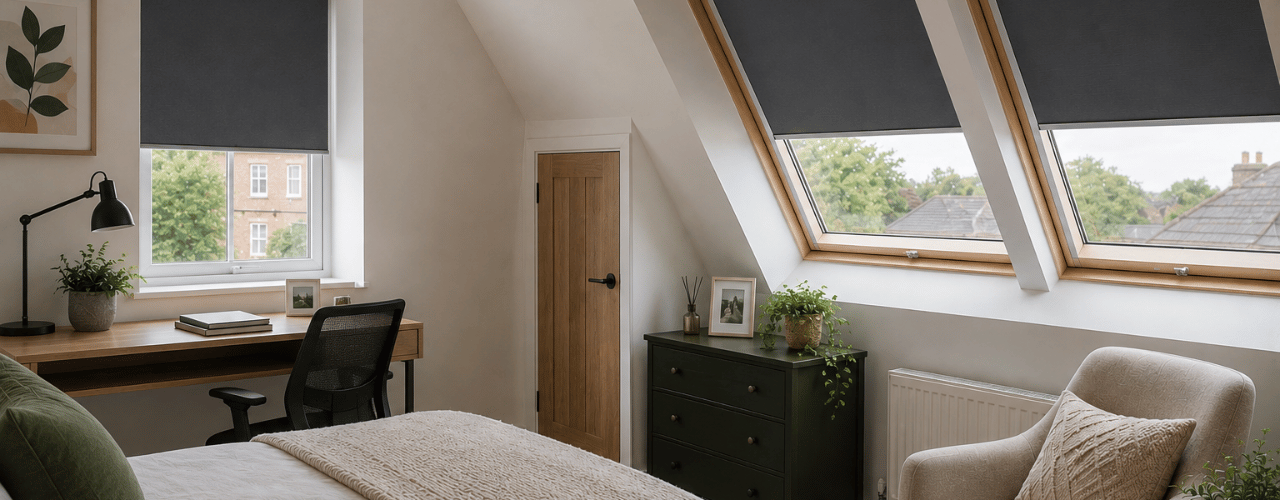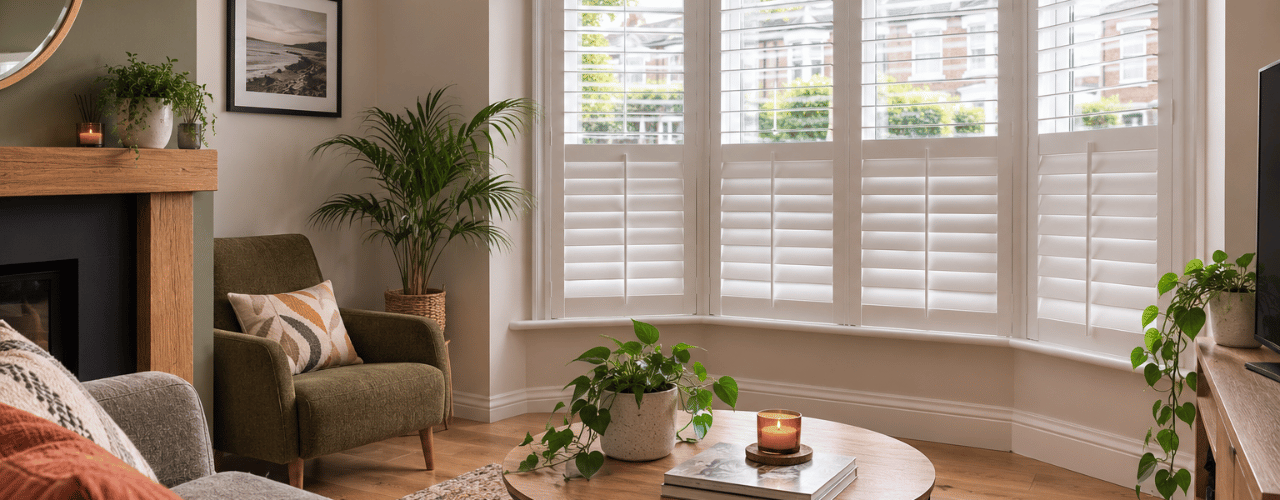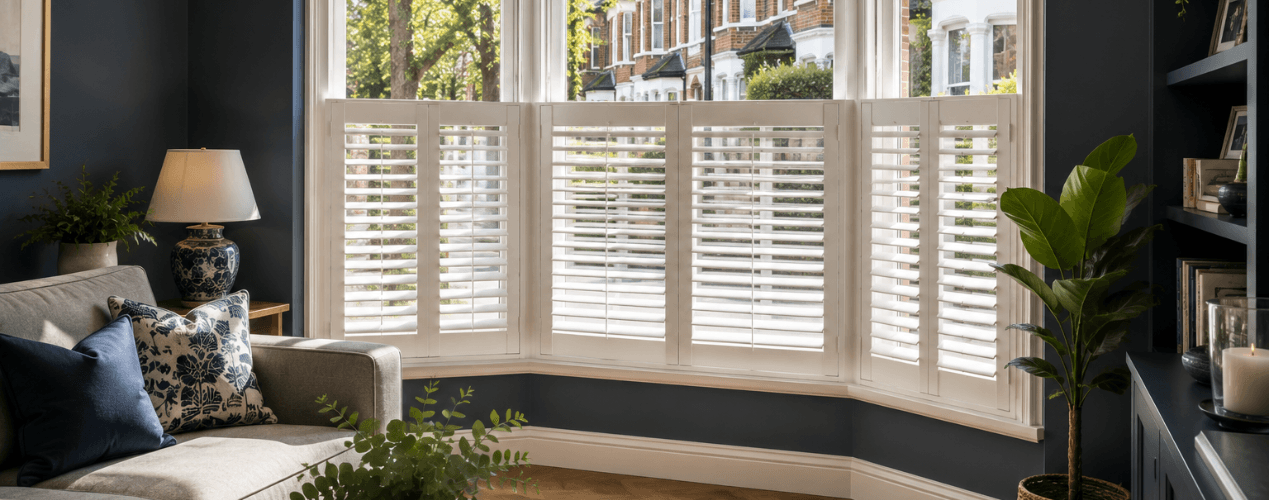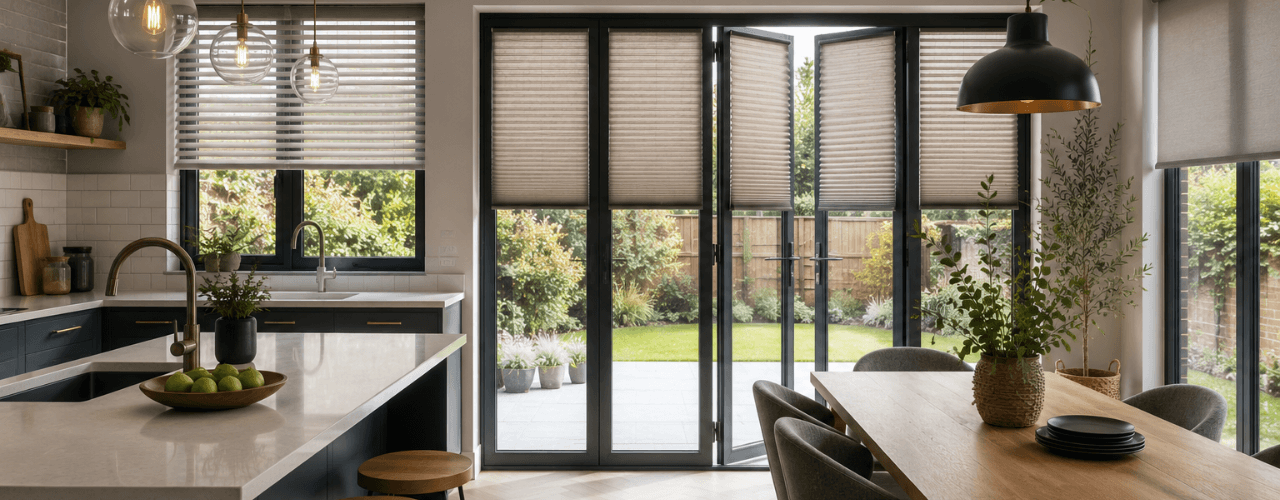

Effective light management relies on active daily operation. Proper slat positioning reduces solar heat gain. It eliminates screen glare. This control maintains employee focus. And it lowers building cooling costs.
Excell Blinds manufactures commercial window dressings in a Liverpool factory. We build hardware to industrial standards. These products allow exact light manipulation in professional spaces across the North West.
Technical Performance Data
- Solar Control: Strategic internal shading reduces HVAC cooling loads by up to 16%.
- Thermal Retention: Properly fitted commercial blinds reduce heat loss through double glazing by up to 33%.
- Lighting Efficiency: Optimising natural light reduces artificial lighting energy demand by 20% to over 60%.
Which Way Should Commercial Blinds Face to Block the Sun?
Commercial buildings interact with the sun based on geographical facing. A Liverpool city centre shopfront encounters different light challenges than a warehouse in St Helens. Window direction dictates slat positioning.
How Should You Position Blinds for South-Facing Windows?
South-facing windows receive consistent, intense sunlight. Heat build-up often overloads air conditioning systems. Set slats to a 45-degree upward tilt. This angle blocks direct heat while allowing natural light to enter the workspace.
We specify energy efficient commercial blinds for office cooling on these elevations. High-performance screen fabrics provide specific solar reflectance values. These fabrics reflect solar energy before it enters the glass. They prevent the material from absorbing heat. Our Liverpool factory tests these fabrics for stability under constant UV exposure. Intense sun warps non-commercial grade materials.
How Do You Maximise Light on North-Facing Windows?
North-facing windows seldom face direct glare. These rooms feel cold due to a lack of direct solar gain. Retract these blinds fully during daylight hours. Ensure the stacking of the blind does not obscure the glass.
Standard headrails often take up 100mm of vertical space. We design bespoke commercial blinds for large office windows to minimise this obstruction. Slim-profile systems ensure maximum light penetration. This improves employee focus. High light levels reduce eye strain.
How Do You Stop Glare from Low Morning and Afternoon Sun?
Low-horizon sunlight causes the most significant disruption. This occurs during the first and final two hours of the working day. Sun rays shine directly under standard slats. Angle vertical blinds toward the window glass to catch the rays.
These are ideal durable commercial blinds for high-traffic environments. Roller blinds require specific fabric widths to provide overlap on the window frame. This prevents light halo effects around the perimeter. A 25mm overlap on each side stops sharp light shards. Small gaps cause the most complaints in open-plan offices.
Why is the Upward Tilt Best for Office Blinds?
Angling Venetian or vertical slats downwards is a technical error. Downward angles direct heat onto employees near the window. This positioning creates dark zones at the back of the room. It forces a reliance on artificial lighting.
Position slats so the higher edge faces the window. This creates a light shelf. Sunlight hits the slats and reflects toward the ceiling. Light-coloured surfaces diffuse this illumination across the floor.
The upward tilt creates effective anti-glare commercial blinds for IT suites and boardrooms. It removes direct glare from desk surfaces. It keeps the back of the office bright without overhead electric lighting. Solar radiation stays near the glass. Precise ladder-tape alignment ensures slats close tightly. This calibration prevents slats from creeping over time. Slats that sag ruin the light shelf effect.
How Do You Position Blinds for Different Commercial Spaces?
Different sectors require distinct light management strategies. Medical clinics and boardrooms have unique mechanical requirements.
How Do You Achieve Total Blackout in a Boardroom?
Digital screens require absolute light exclusion. A single sliver of light washes out projected data. Use blackout roller blinds with side channels. Side channels eliminate light bleed at the perimeter.
Lower the fabric fully into the bottom track. Rotate Venetian slats slightly past the closed position. This over-rotation ensures the slats lock together. Moreover, it prevents leakage through cord holes.
What is the Best Blind Position for Open-Plan Offices?
Conflict often arises between employees near windows and those in central aisles. Use the mid-height stop for roller blinds. Lower the fabric to the eye level of the window. This blocks intense sky glare. It leaves the bottom portion open to maintain a connection to the exterior.
Public sector projects often require fire retardant commercial blinds for schools and hospitals. These environments require heavy-duty crank systems. These mechanisms handle high-frequency use by multiple staff members. Plastic chains snap under heavy use. Steel-core internal gears resist the torque applied by hurried staff.
How Can Blind Positioning Improve Commercial Energy Efficiency?
Commercial buildings lose significant heat through windows during winter. Solar gain increases cooling costs in summer. Correct positioning turns blinds into a functional thermal barrier.
Prevent sunlight from hitting office furniture during summer. Furniture radiates absorbed heat back into the room. Keep slats at a steep angle during peak temperatures. This maintains a cool thermal mass.
Reverse this strategy in winter. Open blinds fully during sunny spells to harvest free heat. Close them tightly immediately after sunset. A tight seal creates a pocket of air between the blind and the window. This air gap acts as secondary insulation. Heavy-duty headrails support thermal-backed fabrics. These fabrics are significantly heavier than standard materials. They require reinforced mounting brackets. Liverpool’s older commercial stock often has crumbling masonry that requires specialised fixings.
Should You Use Motorised Blinds for Light Management?
Manually adjusting numerous blinds in a large facility takes too much time. Staff often ignore this task. Neglect leads to hanging blinds that lose their alignment.
Specify automated commercial blinds with building management system integration for high-rise assets. These systems follow the sun’s path automatically. Slats adjust their angle as the sun moves across the skyline. This maintains the upward tilt without manual intervention.
Hard-wired motors suit new builds. Battery-integrated RTS systems allow for retrofitting existing offices. Battery systems eliminate the need for plastic trunking on the walls. One remote controls an entire floor of windows simultaneously.
How Do You Position Blinds for Privacy Without Losing Light?
Ground-floor businesses use positioning to manage security. Vertical blinds and shutters offer high versatility in areas like the Baltic Triangle. Set slats to a 15-degree angle. People on the street cannot see into the premises. Staff maintain a clear view of the exterior.
This creates a one-way visual barrier. It protects client confidentiality in law firms and healthcare facilities. Wand mechanisms must stay robust. Ground-floor blinds require frequent adjustment. Self-lubricating carriers in vertical tracks ensure smooth operation. A smooth glide prevents the shutter-clatter common in cheap alternatives.
Optimising the Workspace
Positioned blinds are tools for productivity. Moving away from binary open or closed states improves the office atmosphere. Technical angles provide measurable benefits.
Excell Blinds serves the North West with durable commercial solutions. Our Liverpool manufacturing base ensures every product handles high-frequency adjustment.
Contact Excell Blinds to book a site survey. Our experts will specify a system tailored to your building. We will train your team to manage light, energy, and comfort effectively.