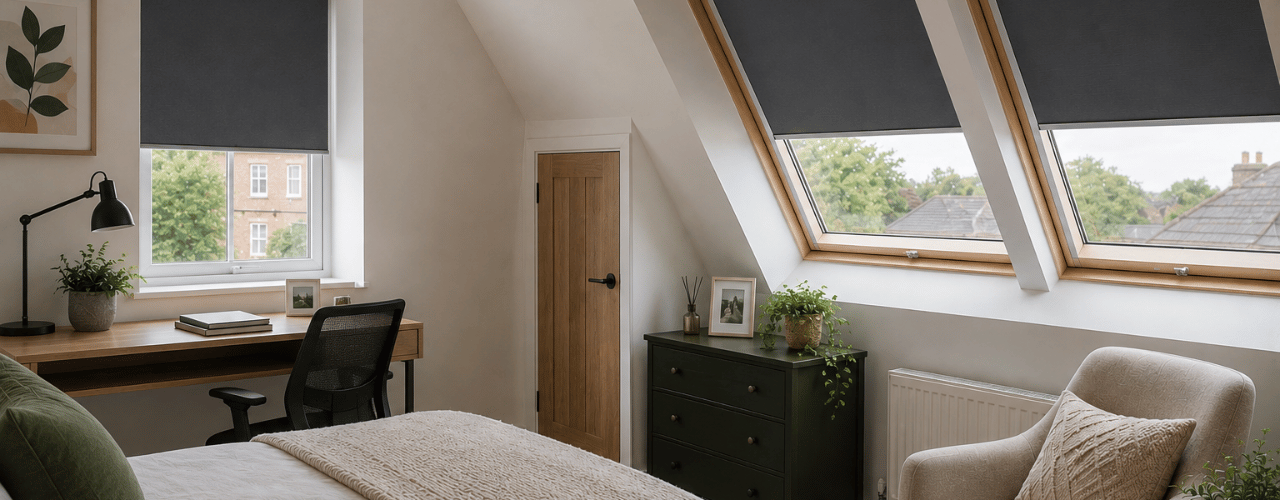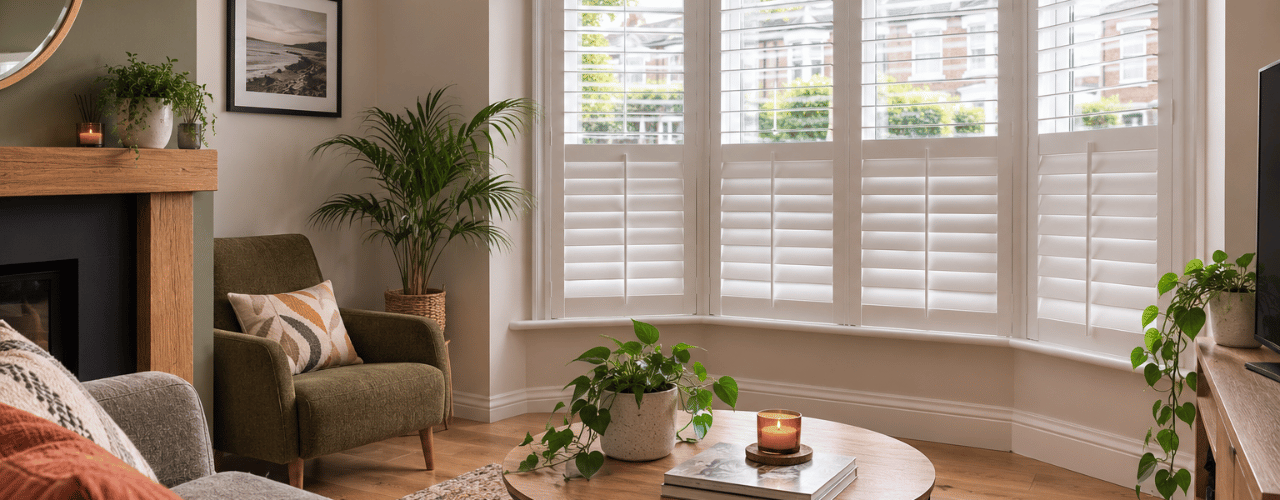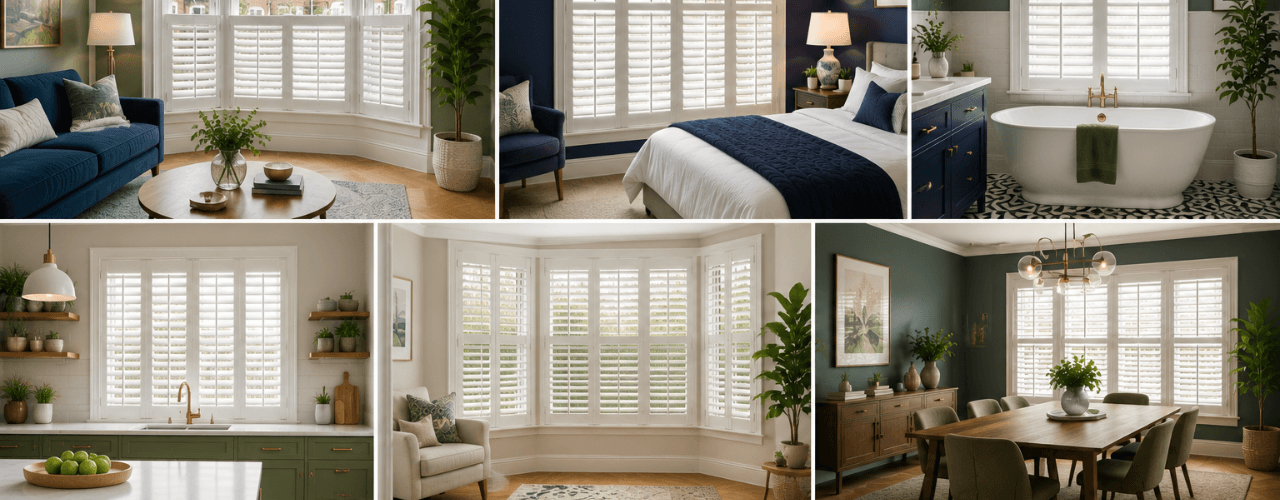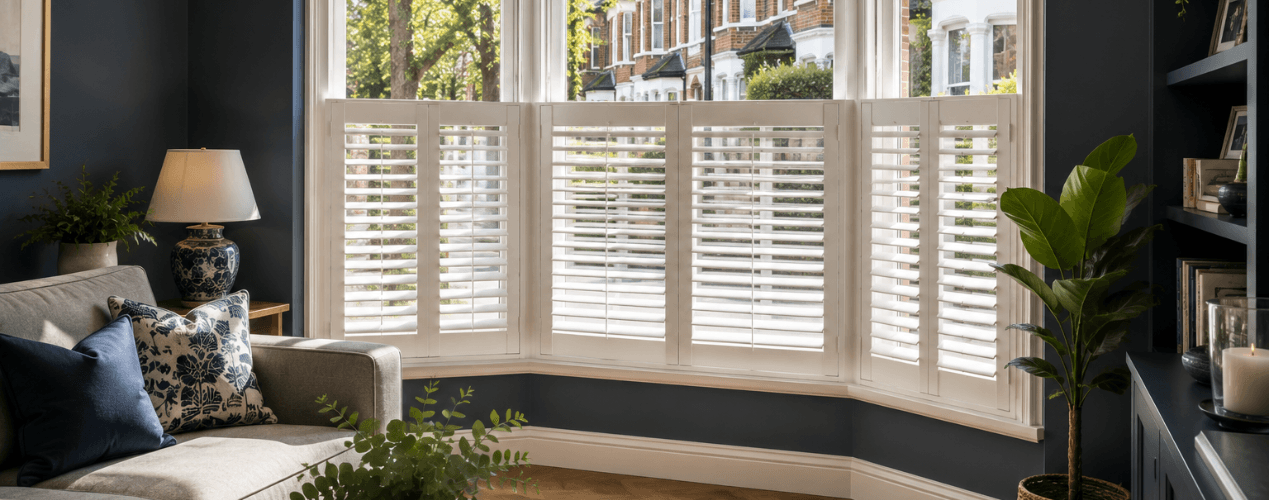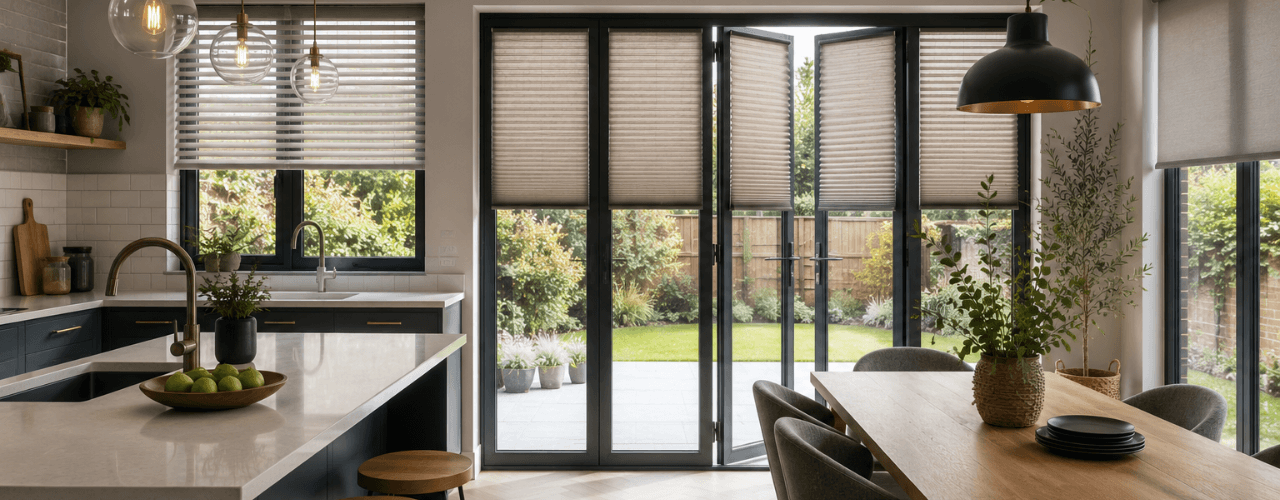
Window blinds provide a physical barrier against airborne allergens. Their non-porous surfaces prevent pollen and dust from embedding in your home. Materials like PVC or faux wood replace porous curtains with wipe-clean surfaces.
At Excell Blinds Liverpool, we manufacture these hypoallergenic systems in our own factory. We tailor every unit to handle the specific environmental demands of the North West.
Are Blinds Better Than Curtains for Allergy Sufferers?
Every window dressing acts as an air filter. Ventilation pulls external pollutants across the surface of your blinds or curtains. Solid surfaces offer distinct health benefits over traditional drapes.
The Problem with Fabric Window Dressings
Standard curtains often become a significant liability in local homes. Heavy drapes act as a sponge for organic matter. The deep folds and porous weaves create stagnant zones where pollen and dust mites congregate. Most homeowners find it difficult to launder curtains frequently. These fabrics become reservoirs for allergens. Moving the material releases particulates directly into your breathing zone.
The Mechanical Advantage of Hard Surfaces
Blinds offer a controllable, non-porous alternative. We specify materials that keep allergens on the surface. This structural difference allows for total physical removal. Wiping a blind extract the allergen from the room. Vacuuming a curtain agitates the dust and pushes fine particles deeper into the weave.
Do Dust Mites Live in Window Blinds?
Allergies in the North West remain a year-round problem. Liverpool’s coastal humidity provides the ideal conditions for dust mites. These pests require moisture and organic matter to survive. They thrive in the damp, warm folds of fabric curtains.
Installing made-to-measure blinds eliminates this fibrous environment. Hard surfaces like PVC or aluminium do not retain moisture or skin cells. This starves the mite population. When researching the best blinds Liverpool homeowners often choose non-organic materials as a critical part of home hygiene near the Mersey.
Which Types of Blinds Are Best for Hay Fever?
The material matters more than the style of the blind. We recommend finishes that reject allergens at a microscopic level.
1. Faux Wood Venetian Blinds
Faux wood blinds feature a completely sealed surface. Real wood has a natural grain that can harbour dust. Faux wood remains smooth and non-reactive.
Faux wood is nearly indestructible. These slats handle daily wiping with a damp cloth without warping. You maintain a sterile window area throughout the hay fever season. When choosing faux wood blinds Liverpool fitters usually suggest these for kitchens and bathrooms.
2. PVC Roller Blinds
PVC roller blinds consist of a single, flat sheet of material. They have no slats or pockets where dust can settle.
We look for “wipe and done” suitability. Many budget fabrics carry a static charge that pulls dust out of the air. We treat our industrial-grade PVC to be anti-static. This prevents the blind from acting as a dust magnet in dry, centrally heated rooms. As a leading manufacturer of PVC blinds Liverpool homes stay cleaner for longer with these finishes.
3. Perfect Fit Systems for Deep Cleaning
The “Perfect Fit” frame offers the most practical choice for severe allergies. The frame contains the blind. Fewer horizontal surfaces exist for dust to collect on.
Perfect Fit systems unclip in seconds. This gives you direct access to the glass and rubber seals. Mould and spores hide there due to condensation. If you are looking for the most hygienic blinds Liverpool suppliers can provide, the Perfect Fit range is the gold standard.
Can Blinds Help Filter Pollen from the Air?
The fit of the blind is critical. Off-the-shelf blinds often leave gaps at the sides of the window. Air pressure forces pollen around these gaps at high velocity.
Our bespoke fitting service in Liverpool ensures the blind covers the entire aperture. This precision fit maximises the baffle effect. The blind deflects heavy pollen particles back towards the window pane.
How Do You Clean Blinds to Remove Allergens?
You do not need expensive chemicals to maintain a healthy home. Effective maintenance of quality blinds rely on requires only basic tools.
- The Microfibre Method: Use a damp microfibre cloth to trap and remove particles.
- The Headrail Check: Vacuum the headrail with a soft brush every month. This prevents dust from dropping when you operate the blind.
- Natural Acids: A mild white vinegar solution breaks down the proteins in pollen and pet dander. It does not strip the UV-protective coatings we apply in the factory.
Expert Consultation from Your Liverpool Factory
Choosing a window dressing involves balancing aesthetics with the technical reality of your home. High-performance blinds Liverpool residents can trust require specific material choices. We manufacture our blinds in Liverpool and understand how materials react to local salt air.
Our surveyors provide free home consultations. We show you exactly how our wipe-clean louvres and rollers operate. We evaluate airflow and room use to support your health.
Breathe easier by upgrading to a window system built for cleanliness. Contact Excell Blinds today to explore our range of hypoallergenic blinds Liverpool has to offer.