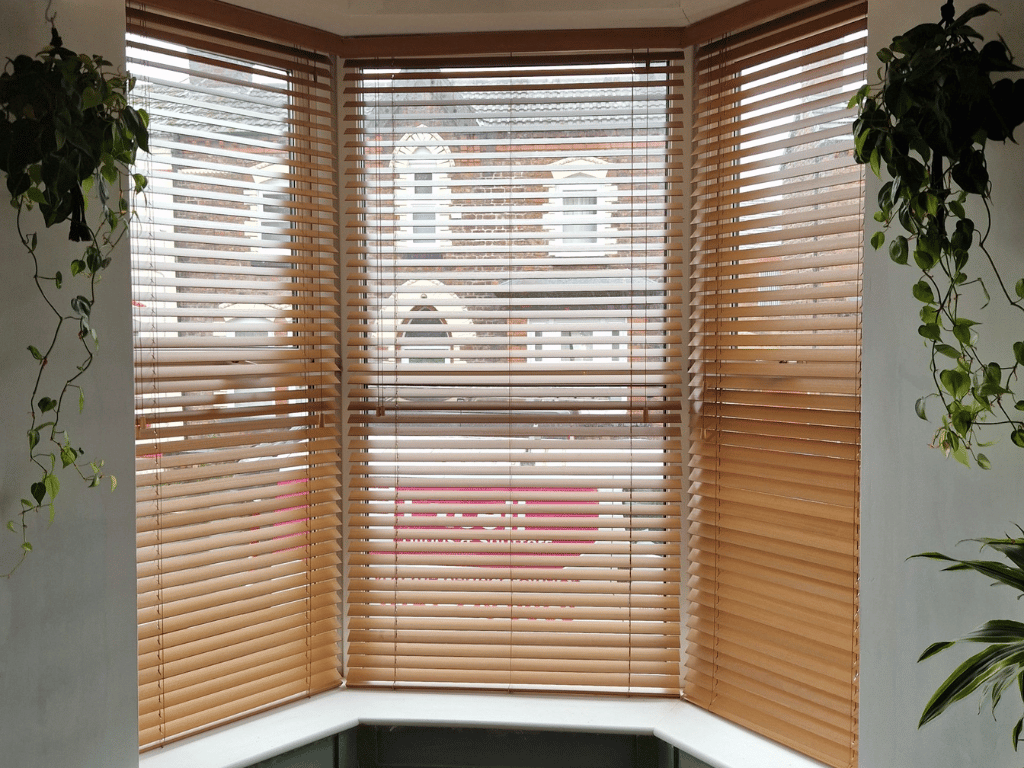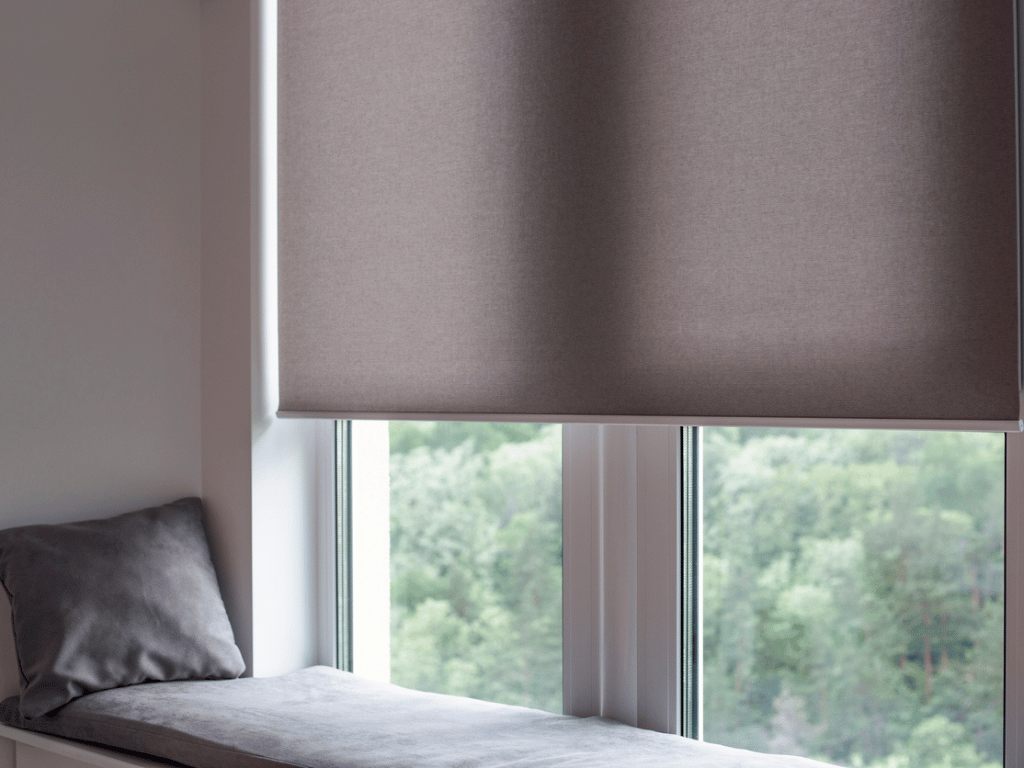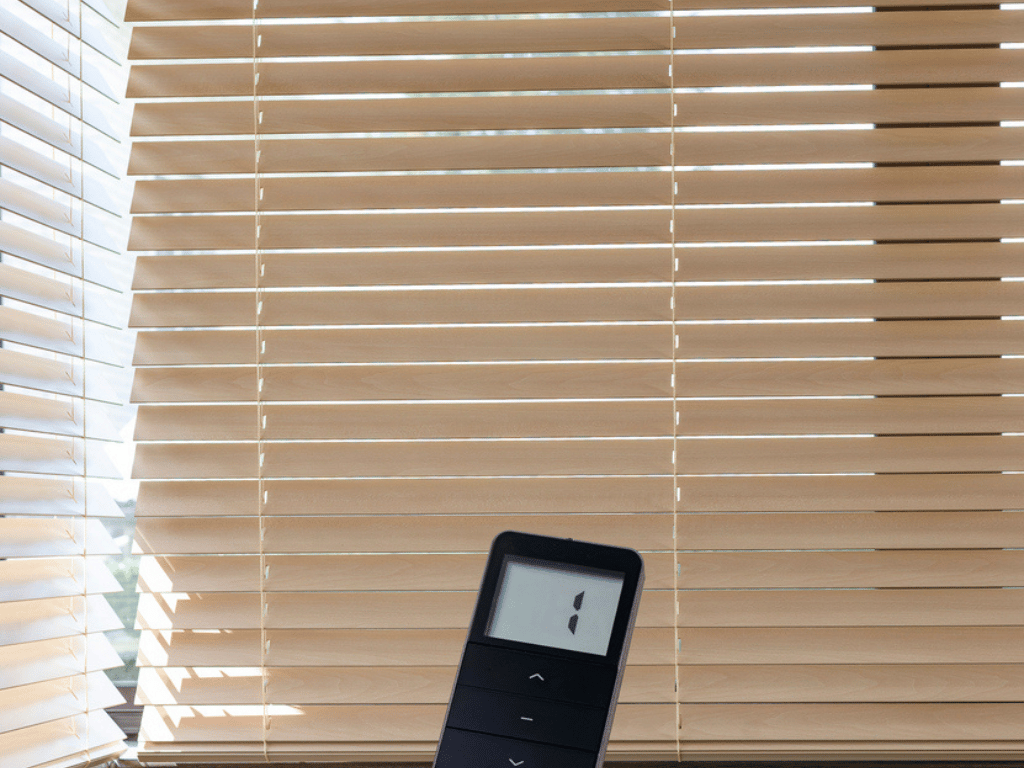

When specifying window coverings, the decision is a technical call regarding compliance and optimal long-term functionality, alongside superior performance, not about style alone. As experts, we consider motorisation the only way to fully de-risk a window treatment while delivering unmatched control. Motorised blinds are not a simple luxury product; they are a necessary component for compliance and longevity. This level of specification is vital for a durable, compliant finish across Liverpool homes and commercial buildings.
How Motorised Blinds Eliminate the Child Safety Risk
Every UK manufacturer must comply with the stringent BS EN 13120 standard for corded window coverings. This standard requires safety devices like tensioners or breakaway connectors. These solutions, however, introduce a critical dependency: the safety integrity is compromised the moment a tensioner is incorrectly fixed to the wall or the user bypasses the cord tidy.
- The Practical Reality: Cord management systems are designed to mitigate a hazard; they do not remove it. They require correct installation and ongoing user compliance to remain effective. This reliance on human action is the critical liability built into every corded system.
- The Expert Solution: Motorised blinds are the only system that achieves Child Safe by Design certification automatically. By eliminating the physical control loop entirely, we remove the single point of failure. This is the only way to guarantee absolute safety around infants, toddlers, and pets. Our team in Blinds Liverpool prioritises this standard because there is no safer alternative for residential properties, especially those used as nurseries or child care facilities.
If you are concerned about BS EN 13120 compliance for motorised blinds, the answer is simple: they comply by default because the core hazard, the cord, is completely absent. Motorisation is, therefore, an investment in safety that no other system can truly match.
Motorised Blinds: The Best Choice for Accessibility and Independence
True accessibility means ensuring every resident can operate every fixture without struggle or reliance on assistance. Motorised systems replace the challenging physical input required for a manual blind with simple, momentary digital activation.
The Practical Gains for Daily Use
For clients with restricted mobility or poor hand dexterity, and for those who use a wheelchair, motorisation ensures independence through frictionless operation.
- Remote Dignity: A lightweight, multi-channel remote can control several blinds from a single seated position, removing the need to navigate the room to each window.
- Smart Integration: Hands-free control is achieved via integration with established Smart Home platforms. We routinely help homeowners with integrating smart blinds with Google Home system or Amazon Alexa. This allows control via voice command, automated routines tied to ambient light levels, or schedules set to run even when you are away.
- Ergonomics of Scale: For very wide or long drops, manual operation risks the user pulling the blind unevenly. This leads to fabric creasing and premature mechanism wear. A motor delivers consistent, smooth power every time, protecting the blind’s longevity and aesthetics.
When Motorised Blinds Become an Architectural Necessity
Motorisation is the only viable control methodology for modern spaces with complex glazing: domestic extensions, new builds, conservatories, roof lights, or double-height voids. Standard manual blinds simply cannot handle the load or the location effectively.
High Torque Demands
Large-span blinds (often exceeding 2.5m in width or drop) or blinds using heavier, insulating fabrics require significant torque to operate smoothly and hold position. Manually operating these heavier units puts undue stress on the gearing and the fabric itself, leading to early failure.
- The 2.5 Meter Rule: We often tell clients: for blinds exceeding 2.5 meters in width or drop, the motor does the work that a human shouldn’t have to. For anything above this size, motorization is a structural necessity, not an option.
- High-Level Windows: For clients who install motorised blinds for high ceiling windows or high-level glazing, the cost of installing a motor is offset by the fact that the window covering is actually usable. Without motorisation, these blinds are often left open or closed permanently, making the high window beautiful but impractical.
- Roof Lights and Atriums: These windows are fundamentally inaccessible. A motor ensures we can manage intense solar glare and heat gain in these critical areas, which would otherwise be left uncontrolled. The motors we use for these applications are specifically designed to operate horizontally or at an incline against gravity, a task impossible for a manual system. For areas like roof lanterns or skylights we only specify motors.
- Complex Load Assessment: When we fit Blinds Liverpool projects, we calculate the required lift capacity based on fabric weight and blind size. This ensures the motor delivers the necessary power. If you are fitting a large roller blind, we make sure we specify the exact motorised roller blind torque requirements large window applications need to prevent sluggish movement or mechanism failure. We match the motor’s power to the load, never compromising on smooth, reliable operation.
What is the Best Power Source for My Motorised Blinds (Wired vs. Battery)?
The decision between wired (mains-powered) and battery-operated motors dictates the long-term reliability and installation path. Our approach is to select the system that best matches the specific demands of the blind and the property’s existing infrastructure.
1. Battery-Operated Systems (The Retrofit Choice)
Battery systems are powered by discreet, rechargeable lithium-ion packs hidden within the headrail or cassette.
- Application: For retrofitting existing properties, we default to high-capacity battery systems where running new electrical cables is disruptive, expensive, or undesirable.
- Practicality: When clients ask how long rechargeable motorised blind batteries last, we explain that most high-quality battery systems are rated for hundreds of cycles (operations). This usually means minimal charging, typically 1–3 times per year, dependent on blind size and daily usage frequency. Charging is simple, often using a magnetic connector and a standard wall socket.
- Pros: They offer non-invasive, cable-free aesthetics and high energy efficiency. They are self-contained and require minimal maintenance.
- Cons: Power capacity is limited, so they may not be suitable for extremely large, high-torque blinds or commercial applications that require constant, high-volume adjustment throughout the day.
2. Wired (Mains-Powered) Systems (The Commercial Standard)
Wired systems connect directly to a dedicated 240V or low-voltage power supply.
- Application: New construction projects, major renovations, or scenarios where ultimate reliability and high power are non-negotiable. This includes very large window installations or integration into sophisticated Building Management Systems (BMS) for commercial projects.
- Pros: They provide an unlimited, consistent power supply. This is ideal for continuous use and essential for very heavy or oversized window coverings where maximum torque is needed.
- Cons: This requires pre-planned cabling routes by a qualified electrician and blind specialist, which makes post-build installation complex and costly.
Can Motorised Blinds Actually Lower My Energy Bills?
Motorisation’s key functional advantage is its ability to integrate directly into your home’s thermal strategy. Connecting blinds to temperature sensors or smart scheduling creates a system that acts as a passive thermostat for the window aperture.
The Local Expertise That Guarantees Performance
The lifetime performance of a motorised blind hinges on precise measurement and flawless installation. A slight misalignment is far more critical than with a manual system, as the motor will struggle against the friction.
Contact Excell Blinds today for a free, no-obligation consultation. We’ll bring the samples and take the precise measurements, then provide the expert, technical advice you need to get the job done right. Read more about our local expertise.