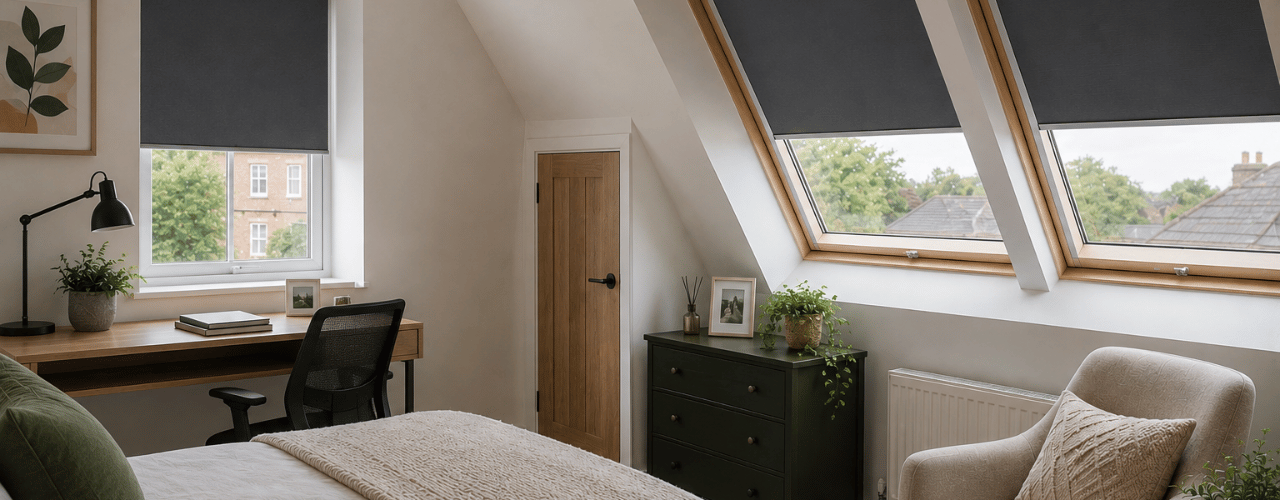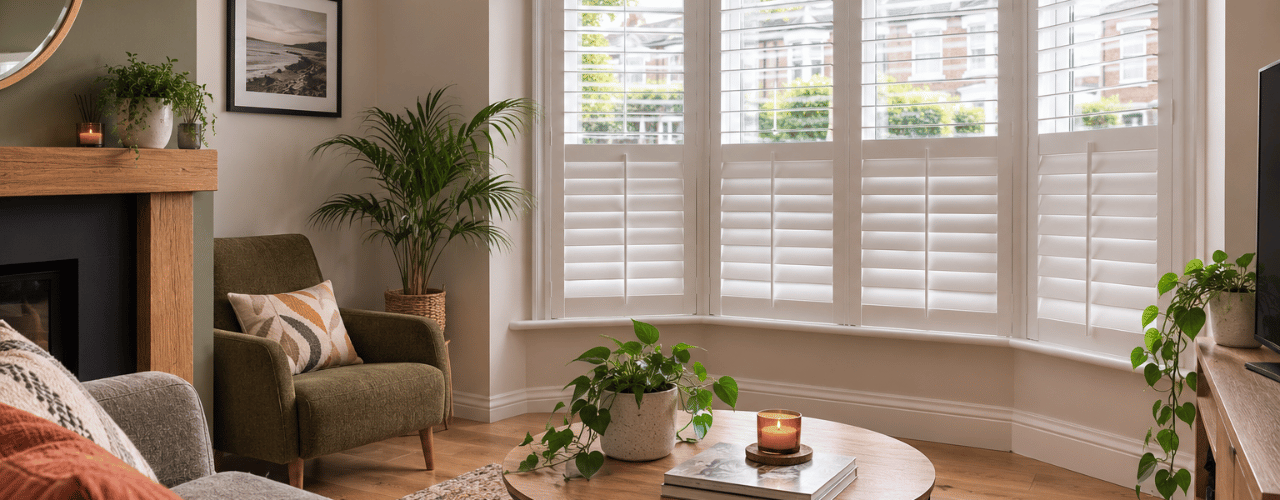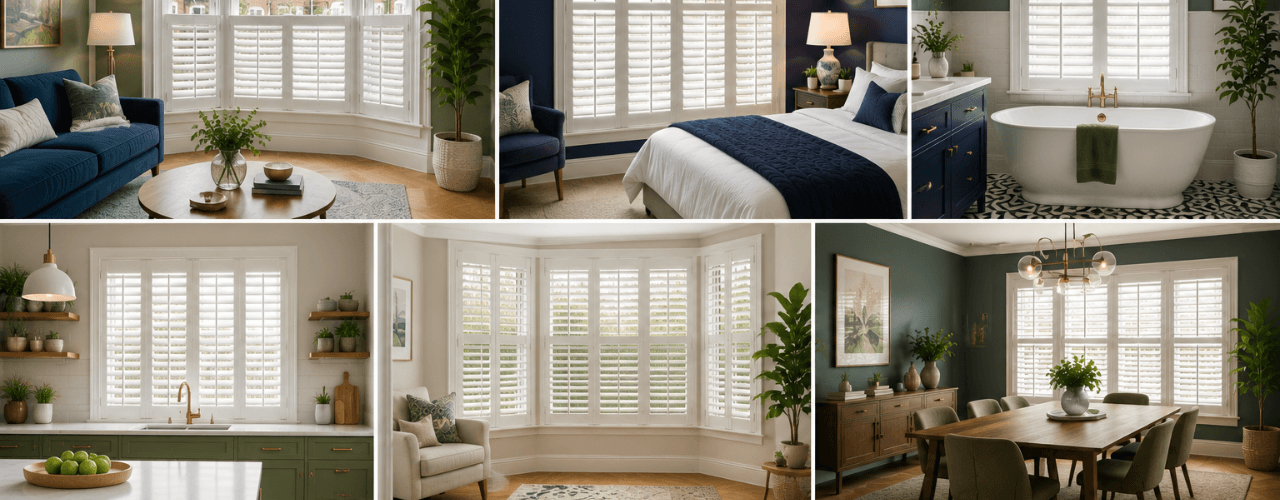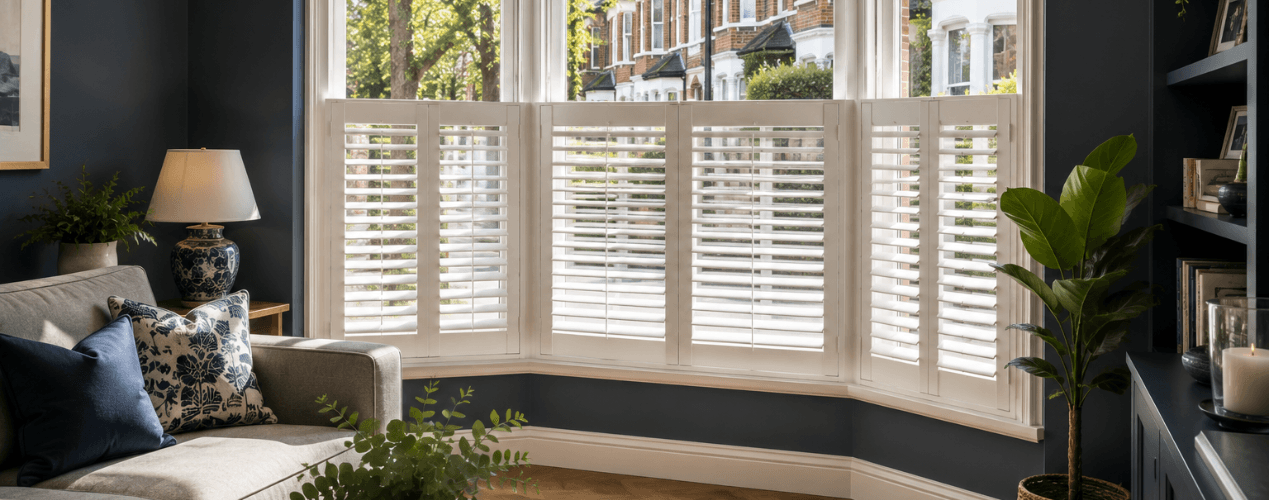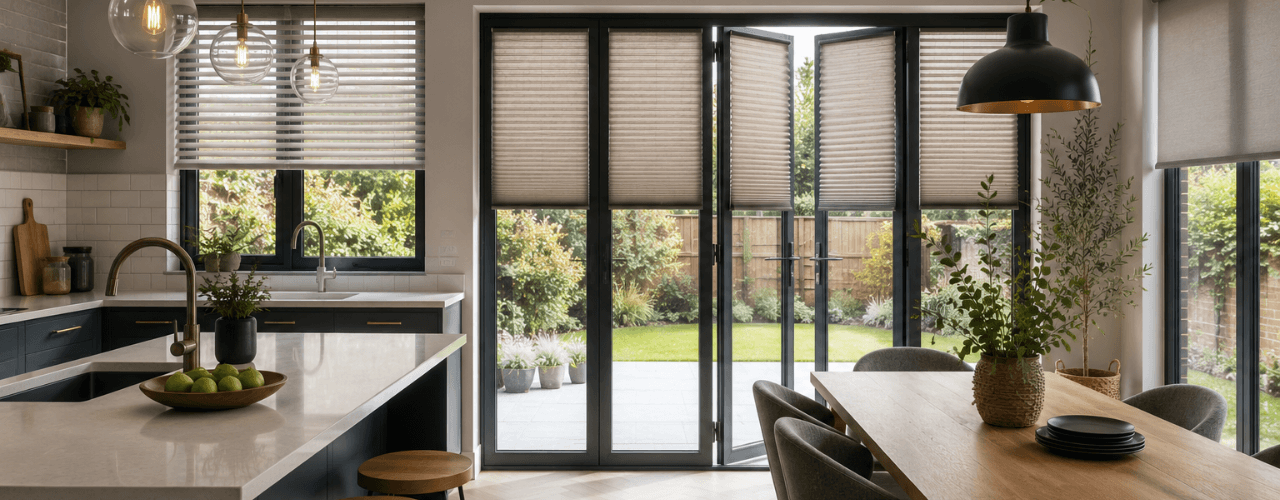
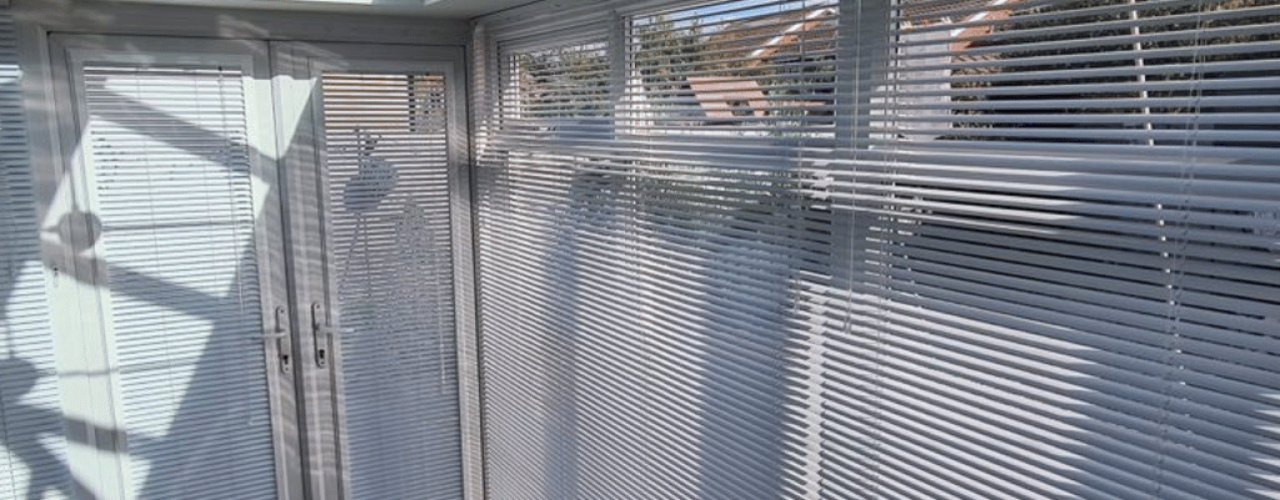
Installing modern window treatments in older terraced properties requires careful planning due to the unique architecture. Standard off-the-shelf blinds rarely fit correctly against uneven plasterwork or Victorian bay windows. Excell Blinds manufactures custom window dressings tailored to the exact specifications of historic domestic spaces, providing a flush fit and reliable operation. Our local manufacturing process provides practical solutions for draughty windows and deep alcoves to improve your household thermal insulation and light control.
What is covered in this installation guide?
This guide details the specific requirements for installing window blinds in historic Liverpool properties. We outline the structural challenges of deep window reveals and explain how precise specialist measuring resolves issues with sloping plasterwork. You will learn the exact steps needed for a flawless custom window treatment installation.
We cover two main areas for your property renovation parameters. First, we examine the structural barriers of deep window reveals alongside uneven wall surfaces. Second, we explain how precise measuring and local manufacturing provide tailored window coverage that complies with strict heritage conservation restrictions.
Why do period homes make window blind installations so difficult?
Period homes present installation difficulties due to historic structural movement and original Victorian masonry variations. These heritage properties feature uneven plasterwork and irregular window frames that prevent standard rectangular blinds from sitting completely flush. Standard hardware bends under the pressure of these sloping interior wall surfaces.
Historic properties feature high ceilings and detailed interior mouldings that complicate standard renovations. The architectural layout makes straightforward upgrades difficult because off-the-shelf products are manufactured for perfectly square modern openings. A Victorian bay window rarely retains its original dimensions after a century of natural building settlement. You will notice significant width discrepancies between the top and the bottom of the exact same window recess. Trying to force a generic product into warped spaces results in poor light control and damaged plaster. Local made-to-measure window blinds allow property owners to handle these structural variations safely.
What are the main issues with deep window reveals?
Deep window reveals block natural light and require specific bracket placements to guarantee the pull mechanism clears the historic masonry. Standard roller systems often snag against the deeper sides of the recess without specialist tension systems. Precise measurements prevent the control cords from fraying against the rough surrounding brickwork.
Edwardian builders favoured thick walls that created deep cavities around the glass. These cavities create difficulty for fitting modern pulling mechanisms safely because controlling chains rub against the rough masonry returns. You must factor in handle protrusions and old wooden sash boxes that physically block a vertical fabric drop. Poorly fitted coverings allow warm air to escape rapidly through the single-glazed panes typical of that construction era. Securing a tight fit entirely inside the reveal traps a layer of air to improve the thermal insulation of your historic living space.
How do uneven walls impact off the shelf window coverings?
Uneven interior walls prevent standard mounting brackets from sitting perfectly flat against the plasterwork. This mounting tension forces the entire blind mechanism to twist, which ultimately snaps the internal operating clutch. Made-to-measure systems account for specific wall gradients using custom brackets and strategic packing techniques.
Historic plastering techniques were completed by hand without modern laser levels, leaving subtle bows in the surface where brackets need to attach. Screwing a rigid plastic component to a wavy wall bends the hardware and limits the product lifespan. Our installation teams manage these sloping surfaces without causing damage to the original timber or plaster. We use specialist packing shims that absorb the irregular angles so the operational tube remains horizontal. Working with experienced blind fitters guarantees you get a secure installation that accommodates the exact movement of old building materials.
How can specialist measuring solve heritage window challenges?
Specialist measuring solves heritage installation challenges by taking multiple width and drop checks across the entire window recess. This thorough process identifies exactly where walls bow or taper before production begins. Precise data allows manufacturers to cut the materials for a flawless fit that clears all historical hardware.
Taking a single width measurement across the middle of a window causes DIY installation failures. A surveyor checks the top, middle, and bottom of the opening to map the overall shape and account for sloping windowsills. This comprehensive data gathering guarantees the final product will clear every obstacle without scraping the side returns. Excell Blinds offers expert guidance and professional installation to check ventilation requirements and handle clearances. Precision planning prevents you from installing a product that physically restricts the operation of your original timber window frames.
What are the typical heritage restrictions for window treatments?
Heritage restrictions often dictate the external appearance of window treatments to preserve the historic character of a designated conservation area. Local planning officers usually require neutral backing colours visible from the street. You must comply with these precise visual rules when updating interiors in listed residential buildings.
Local councils enforce strict regulations to maintain the uniform visual history of older terraced streets. Brightly coloured fabrics or hyper-modern metallic finishes can trigger formal enforcement notices from regional conservation officers. You generally need to supply fabric facing the exterior glass that features a traditional white or cream backing material. Excell Blinds helps property owners source high-quality wooden slats or neutral interior fabrics that satisfy strict council guidelines. Using locally manufactured blinds guarantees you receive professional advice tailored precisely to Liverpool planning authority requirements.
Why do locally manufactured custom blinds provide a better fit?
Locally manufactured custom blinds provide a superior fit because they are built specifically to your exact window recess dimensions. Regional production allows for strict quality control suited to the specific architectural variations of historic housing. The final product avoids the crooked lines common with hand-trimmed standard alternatives.
Mass-produced window coverings come in set increments and require the customer to cut the excess material themselves. Trimming fabrics with standard scissors leads to frayed edges and crooked lines that ruin the interior room aesthetic. A regional manufacturing hub uses industrial machinery to guarantee a perfectly clean edge on every piece. Keeping the production process close to the installation site maintains rapid communication between the measuring team and the manufacturing floor. If a surveyor notes a strange architectural feature, they can instruct the production floor to engineer a specific bracket workaround immediately.
What do people also ask about period home window treatments?
Property owners regularly ask about the installation timelines and specific planning permission constraints involved with upgrading historic buildings. Custom window treatments require a higher initial investment but deliver significant long-term thermal insulation advantages. We detail the operational differences and regulatory rules regarding these bespoke window hardware installations below.
How long does a custom fitting usually take?
A custom blind fitting typically takes between thirty minutes and an hour per window depending on the recess complexity. Large bay windows comprising multiple angled sections require up to three hours to install correctly. Professional preparation work prevents dust buildup and protects your original plaster and timberwork.
The actual time spent inside your property remains low because the hard work happens during the manufacturing phase. Professional fitters arrive with materials cut to the precise millimetre required for your specific window layout. The team lays out protective sheeting to maintain a spotless working environment around your historic features. You avoid enduring days of messy construction work to improve the light control and privacy of your living space.
Are custom window treatments more expensive than standard options?
Custom window treatments carry a higher initial cost than standard shop options but deliver superior long-term hardware durability. Bespoke sizing prevents daily operational damage and properly insulates large single-glazed period windows. This precise fit reduces domestic heating expenditures and eliminates the need for frequent replacement parts.
Buying a generic plastic product appears cheaper until you factor in the ruined plaster and broken operational chains two months later. A poorly fitted covering requires constant adjustment and frequently snaps under the mechanical tension of an uneven wall. Treating your historic property with the correct hardware upfront stops you from paying for expensive structural repairs later. Securing durable blinds engineered for your exact specifications provides reliable daily performance that protects your overall renovation budget.
Do I need planning permission for new window dressings?
You normally do not need planning permission for internal window dressings unless you live in a strictly protected listed building. Conservation authorities focus primarily on the external structural appearance rather than internal household mechanisms. Always consult your local council if you remain unsure about your specific residential zoning.
Ordinary internal upgrades rarely trigger interest from the local planning department. These regulations exist to stop property owners from altering the fundamental structural fabric of the building exterior. If your new installation completely changes the street view of a protected terrace, you risk receiving a formal notice. Most property owners can safely fit new internal window coverings without submitting formal council paperwork to the planning office.
How to complete your period property window upgrades
Finding the exact window treatments for your historic property dramatically improves both daily thermal comfort and operational reliability. Specialist installers manage uneven masonry and sloping windowsills to deliver a secure, flush finish. Selecting locally manufactured custom blinds provides the ideal structural solution for massive Victorian bay windows.
There is no reason to let sloping walls or large Victorian bays delay your interior property updates. Older terraced houses require precise measurements, but the exact fit of a bespoke product outperforms standard DIY adjustments.
Excell Blinds provides custom-engineered window coverage that integrates cleanly with your original architectural timberwork. Contact us to book your measuring appointment to secure functional window dressings designed specifically for your interior layout.