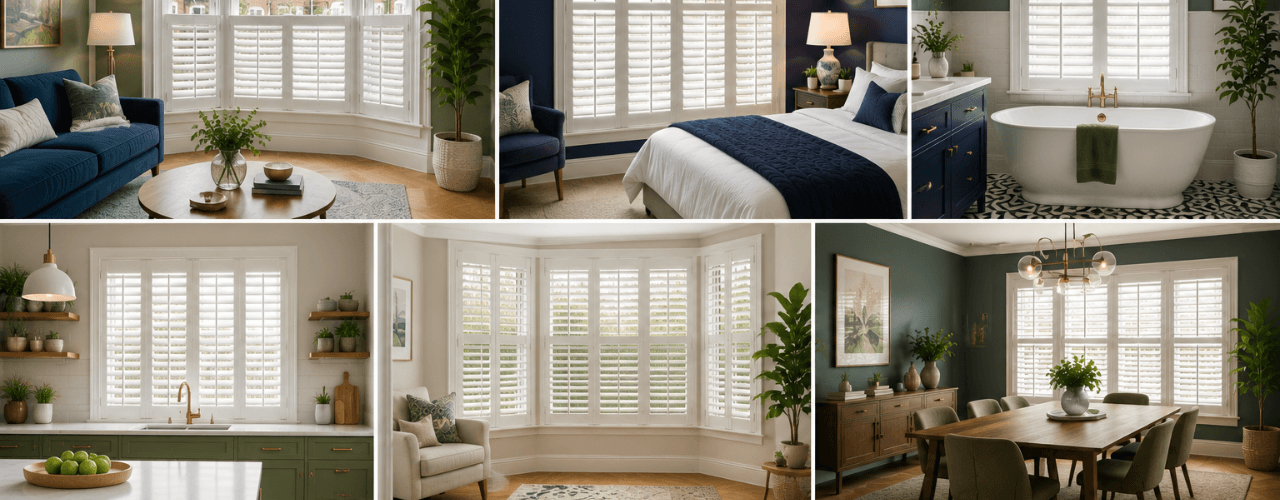
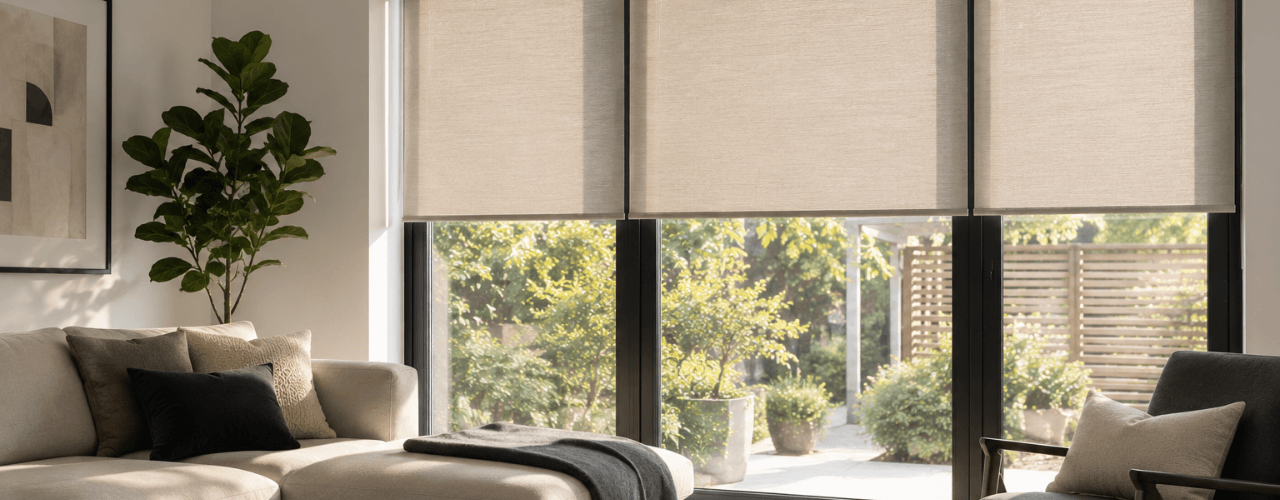
South-facing rooms do not all need the darkest blind. Venetian blinds and vertical blinds give living rooms and home offices flexible control over moving glare. Day and night blinds filter bright daylight while supporting privacy. Blackout roller blinds or cellular blinds often suit bedrooms, where darker conditions matter more.
The final choice also depends on the window. Light direction affects where glare falls, while fitting space and the opening method affect coverage and operation. As a blinds shop in Liverpool, we measure each window and explains which made-to-measure options suit the way you use the room. This gives homeowners comparing blinds in Liverpool a clearer basis for choosing between suitable options.
Why do south-facing rooms need different blinds?
A south-facing window can receive strong sunlight for much of the day. The light may wash out a television or reflect across a laptop screen. You may then close the blind even though you still want daylight.
Strong daylight can keep a south-facing bedroom bright for long periods. Large glazed areas can also feel uncomfortable near the glass.
Which blinds are best for south-facing windows?
The main result should guide the choice. Adjustable slats redirect moving glare. Filtering fabrics soften general brightness, while blackout fabrics create darker conditions.
Venetian and faux wood Venetian blinds for moving glare
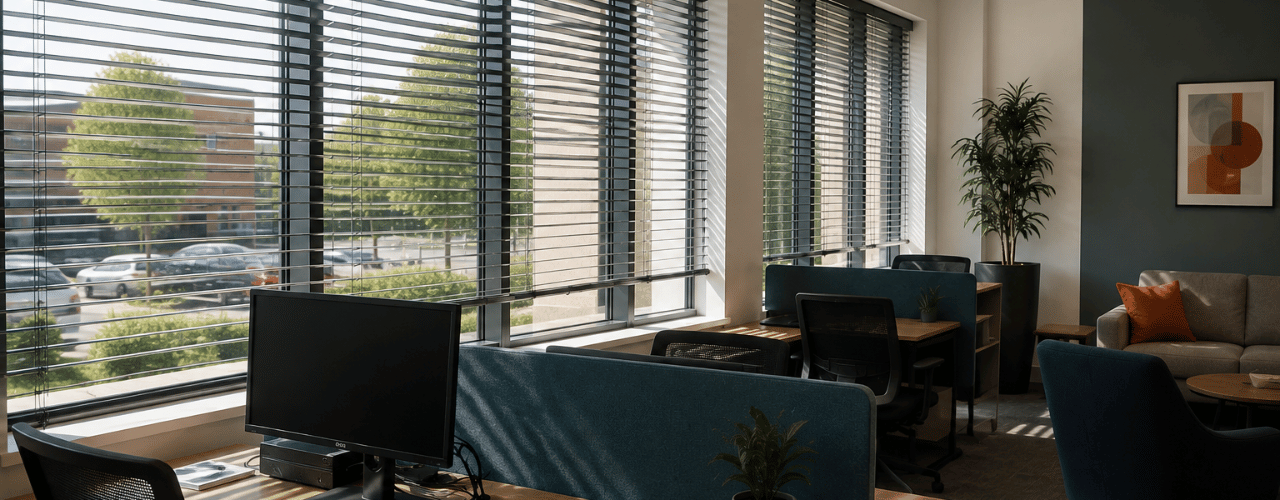
Venetian blinds work well where glare moves during the day. You can tilt the slats as the sun changes angle and direct light away from a television or desk. Aluminium slats wipe clean easily. Faux wood Venetian blinds offer a moisture-resistant finish.
Some light can pass between the slats and around the sides of the blind. Prolonged heat can affect some dark faux wood Venetian blinds, so a lighter finish or another material may suit a strongly sunlit window.
Vertical blinds for wide windows and doors
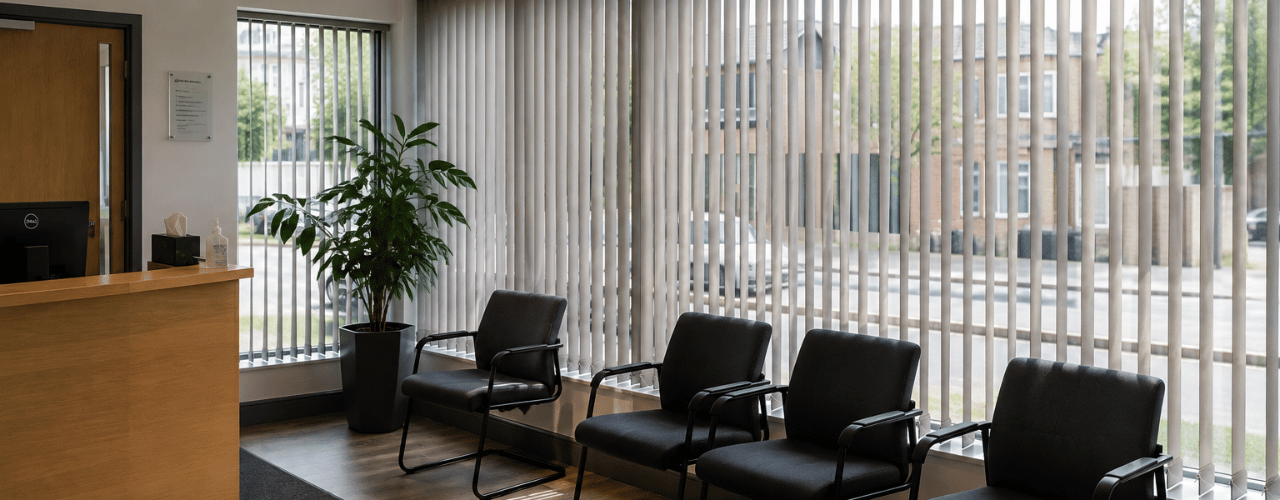
Vertical blinds control light across wide windows and patio doors. Rotating the louvres reduces glare, while drawing them back restores access. The preferred access point usually determines the best stacking side because a stack beside the main doorway can partly cover the opening or make the handle harder to reach.
Small gaps between the louvres allow some light through, so rooms that need strong darkening may benefit from another system.
Roller blinds for filtering light or darkening a room
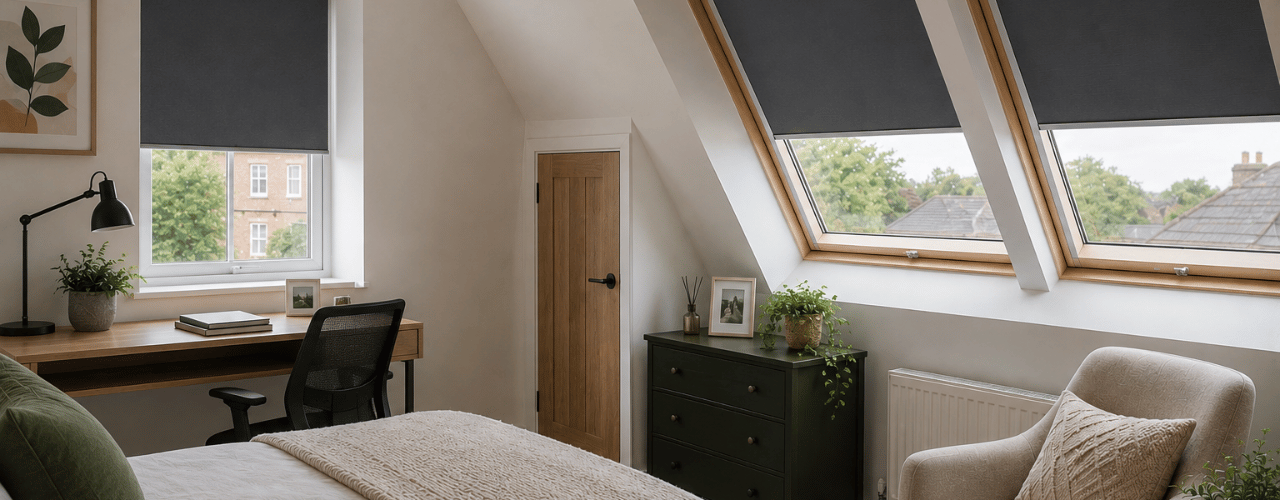
The room’s main requirement determines the roller fabric. A light-filtering fabric softens general brightness. Blackout fabric creates a darker setting, which often suits bedrooms.
Blackout fabric stops light through the material, but the installation still affects the result. Roller fabric sits narrower than the full mechanism and may leave light at the sides. An outside-recess fit can provide more coverage when clear wall space allows it.
Day and night blinds for flexible privacy
Day and night blinds suit rooms that need flexible light control and privacy. Alternating sheer and solid bands let you change the coverage without raising the blind fully. This works well in living rooms and home offices where sunlight changes during the day.
Evening privacy deserves attention during fabric selection. Depending on the fabric and band position, daytime privacy may reduce after dark when the room lights are on.
Perfect Fit blinds for compatible doors and windows
Perfect Fit blinds sit close to each pane of glass and can suit some bifold doors or inward-opening windows. Frame and glass compatibility determine whether the system will work. Each pane may need its own blind. The fitted frames also need enough clearance when bifold panels fold together.
A system may fit each pane yet add bulk when the doors fold. Perfect Fit blinds may also leave some edge light, depending on the blind type and fitting system.
Room-by-room recommendations
What blinds are best for a south-facing living room?
If afternoon sunlight washes out the television, a blackout blind may remove the glare and leave the whole room darker than you want. Adjustable Venetian or vertical blinds target the direction of the light. Day and night blinds offer several levels of filtering and privacy. A light-filtering roller softens brightness across the full window.
What blinds are best for a south-facing home office?
If you regularly move your laptop or lower the blind to see the screen, adjustable glare control usually works better. The screen position helps reveal whether direct light or a reflected window causes the problem. Tilting slats or louvres help where glare moves, while a filtering roller softens light across the whole window. For video calls, the blind’s effect on facial light also matters.
What blinds are best for a south-facing bedroom?
Blackout roller blinds or cellular blinds can create a darker sleeping environment. Fitting position affects the coverage as much as the fabric. Handles or a shallow recess may reduce the space available for the blind.
What blinds are best for a south-facing kitchen?
A kitchen blind must cope with sunlight and regular cleaning. Aluminium Venetian blinds, faux wood Venetian blinds and suitable moisture-resistant roller fabrics may offer practical options. An easy-clean surface works best near food preparation areas, and the controls should stay clear of the worktop. Strongly sunlit windows also need careful colour and material selection because sustained heat can affect some finishes.
Which blinds work best for large windows, and when do motorised blinds help?
The way you use the windows or doors should guide the layout. A single wide blind can become heavier to operate, while smaller blinds give independent control across separate panes. Vertical or Allusion blinds work across wide openings. Perfect Fit blinds can suit compatible glazed panels. Motorised blinds may help where height makes manual adjustment less practical.
Handle clearance, opening direction and stacking space still need checking before manufacture. Motorised blinds make high or frequently adjusted windows easier to operate, while the fabric controls the light. In family spaces, the operating method and installation should meet current child-safety requirements.
Why does choosing the right blinds shop in Liverpool matter?
A Liverpool blinds shop that measures and fits the product can check recess depth, handle clearance and opening direction before the blind is made. This matters because a suitable fabric can still disappoint when the fitting position limits coverage or obstructs the window.
For homeowners comparing blinds shops in Liverpool, measuring and fitting support can narrow the choice before you place an order. Excell Blinds offers professionally fitted blinds in Liverpool and explains which options suit the room during a relaxed home consultation.
Are blackout or light-filtering blinds better for a sunny room?
Blackout blinds suit bedrooms and other rooms where darker conditions matter most. Light-filtering or adjustable blinds suit living rooms and home offices where you want to reduce glare without losing useful daylight. Blackout fabric can still leave light around the edges, while filtering fabrics may provide less privacy after dark.
What colour blinds are best for a sunny room?
Colour can affect how a blind absorbs or reflects solar energy, although the material and window-facing backing also influence performance. Viewing samples beside the glass during the room’s brightest period shows how the finish and fabric appear in the actual light.
Should you fit blinds inside or outside the recess?
An inside-recess blind gives a neat fit within the window opening. An outside-recess blind can cover more of the opening and reduce visible edge light. Recess depth and window shape determine the best fitting position. The required level of darkness also influences the choice.
A deep, clear recess often suits an inside fit. A shallow recess or inward-opening window may leave too little space for the roller or brackets. An outside fit needs clear wall space and must avoid nearby fittings, including vents. A careful pre-order review should cover these points.
What should you check before ordering blinds for a south-facing room?
The following questions help narrow the choice before colour or fabric comparisons begin:
- Is the problem moving glare, general brightness, privacy or room darkening?
- Where does the direct light fall while you use the room?
- Will the level of daytime privacy still work after dark?
- How does the window or door open, and can the blind clear every fitting?
Would one blind or two smaller blinds be easier to use, and would motorised blinds make daily operation more convenient?
These answers help homeowners comparing made-to-measure blinds in Liverpool explain the room’s priorities clearly. A blinds shop in Liverpool can then narrow the practical options before measurement.
Where Can You Get Made-to-Measure Blinds for South-Facing Rooms in Liverpool?
At Excell Blinds, we supply made-to-measure blinds in Liverpool and across the wider North West. During a home consultation, our team can assess where the light causes problems, measure the window and explain the suitable fitting options. You receive a quotation and have time to consider it without pressure. This gives you the practical support expected from a local blinds shop in Liverpool.
Frequently asked questions
Can blinds help keep a south-facing room cooler?
Closing suitable blinds while direct sunlight reaches the window can limit some heat build-up. The result depends on the blind and the glazing. Internal blinds can support temperature control, but they cannot guarantee a cool room. The Energy Saving Trust advises closing blinds while direct sun reaches the window. The British Blind and Shutter Association explains that external shading is generally more effective because it controls solar gain before it reaches the glass.
Can blinds help reduce fading?
Closing or adjusting blinds reduces the direct sunlight that reaches flooring and furniture. The level of protection varies by fabric and blind type. Unless a product has verified performance data, it should not be assumed to prevent all fading or ultraviolet exposure.